Taking care of your skin at home is undoubtedly crucial to maintaining a clear, healthy skin, and a radiant complexion. Professional procedures, however, can enhance the benefits of your regular skincare regimens and help you maintain your young appearance for an extended period.
One of the most well-liked in-office skin care procedures at AAYNA is HydraFacial, which addresses a variety of issues in clients of various skin types and ages. But just as crucial as understanding the advantages of any technique is knowing its drawbacks.
Use this helpful information from our expert clinical team to learn more about the possible side effects of HydraFacial and how to minimize risks and ensure safety to get the most out of this magical procedure which leaves your skin looking like a work of art.
HydraFacial Treatment
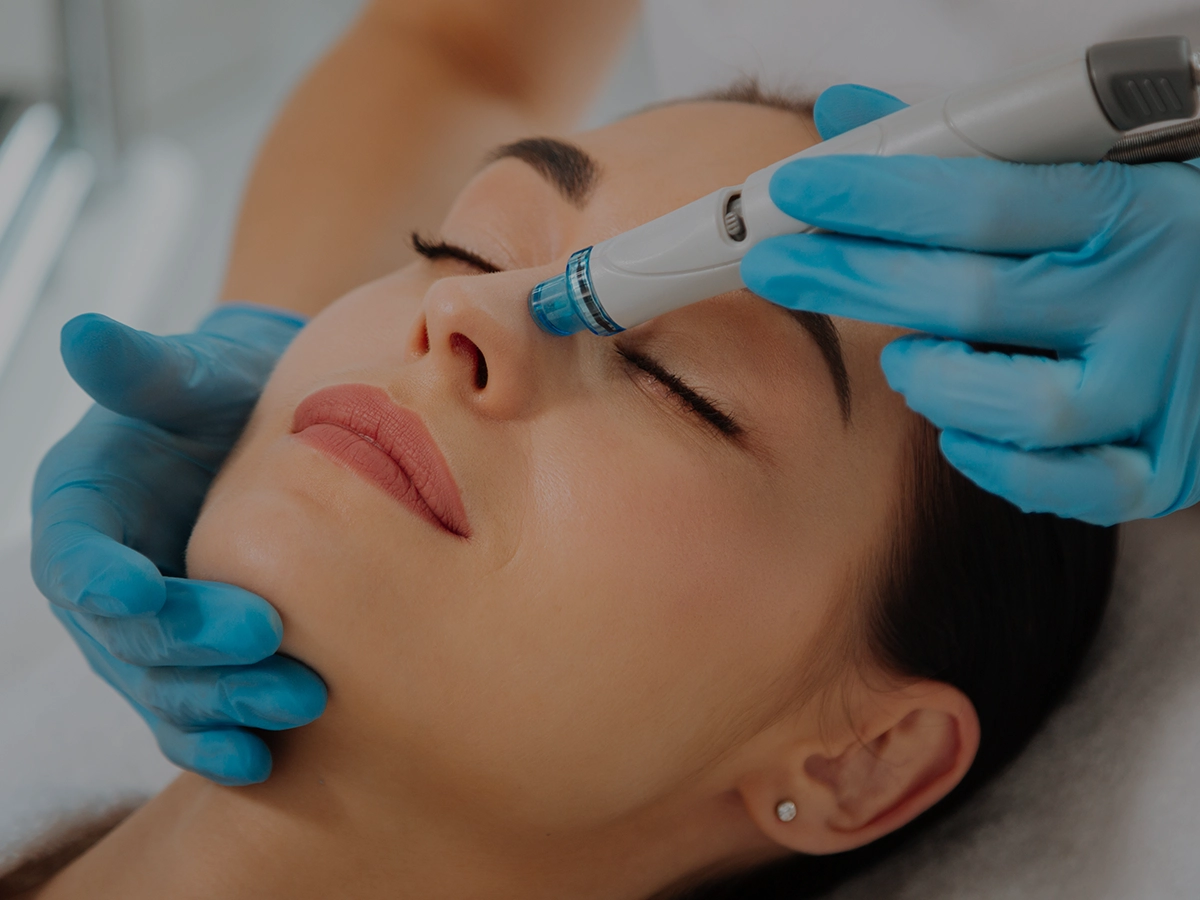
During a single session, a hydrafacial treatment provides antioxidant protection, extraction, cleaning, exfoliation, and hydration for better skincare. The demand for it in skin care and cosmetic clinics is a consequence of its quick and noticeable benefits, which include reduced downtime and enhanced skin tone, texture, and moisture.
A Hydrafacial, in contrast to a typical facial, is appropriate for any kind of skin and solves several skincare issues at once. At AAYNA, we specialise in delivering customised Hydrafacial treatments that are based on the individual skin needs of each customer. This revitalising experience leaves your skin looking renewed and vibrant. While the treatment is generally safe, it is important to be aware of possible hydrafacial side effects also, which we will discover in depth.
Significance Of Pre-Treatment Consultation
It’s important to have an initial consultation with a licenced dermatologist, like those at AAYNA, before having a HydraFacial or any other cosmetic procedure. Patients can talk to the practitioner about their medical history, skincare issues, and aspirations during the appointment. By keeping lines of communication open, the practitioner may better customise the treatment to meet individual needs and reduce the chance of negative side effects. Patients may also ask questions, get clarification on the process, and make well-informed decisions on their skincare journey during the consultation.
Taking Care of Safety Issues
Because cosmetic operations entail interventions that directly influence the look and health of the body, safety is of the utmost importance. Making sure safety precautions are taken becomes even more important with the growing popularity of aesthetic procedures such as HydraFacial.
Clinics must maintain strict standards to live up to the faith that patients have in practitioners to prioritise their well-being. Several safety precautions are taken to keep patients safe during HydraFacial treatments:
- To reduce the chance of infection, every piece of equipment and instrument used during the treatment is carefully cleaned.
- To reduce the possibility of cross-contamination, HydraFacial devices utilise disposable tips for every treatment.
- The HydraFacial’s gentle suction approach minimises skin damage and lowers the risk of negative responses.
- Professionals evaluate the state of each patient’s skin and adjust the course of action to get the best possible outcomes without sacrificing safety.
- During HydraFacial treatments, only superior skincare products devoid of hazardous ingredients are utilised, reducing the possibility of side effects or adverse reactions.
AAYNA offers patients confidence in the efficacy and protection of HydraFacial treatments by ensuring these safety precautions.
Potential HydraFacial Side Effects
1) Temporary Redness: Because of the greater supply of blood to the skin following treatment, mild redness may appear right away, and usually goes away in a couple of hours.
2) Skin Sensitivity: Some people may feel sensitivity or discomfort for a short while, specifically should they have delicate skin or are allergic to certain things. Typically goes away in a day or two.
3) Dryness: Because of the exfoliating and extraction procedures included in a HydraFacial, the skin may feel a little tight or dry afterwards. However, it can be addressed with appropriate hydration and moisturising.
4) Breakouts: Rarely, following a HydraFacial, individuals may have mild breakouts or flare-ups of their acne, particularly if the procedure brings excessive oil and debris to the surface.
5) Sun Sensitivity: Following a HydraFacial, there’s a chance that your sensitivity to the sun may increase. For this reason, it’s important to use sunblock and limit your time outside.
6) Allergic Reaction: Rarely, but still possible, some people may develop an allergy to the skincare components used in a HydraFacial. Rashes, oedema, and itching are possible symptoms. The probability of this happening is extremely low as every effort is made to reduce the possibility of allergic reactions.
How Long Do the Side Effects Remain ?
One of the primary advantages of the HydraFacial treatment is the minimal post-procedural downtime, allowing patients to resume their daily activities immediately
- A little redness? That usually fades within a few hours
- Some tightness or sensitivity can persist for a day or two
- If you get a small breakout, it should clear up on its own within 2–3 days
If your skin tends to be on the sensitive side, things might take a bit longer to settle.
Tips For Ensuring Safety and Minimizing Risks
1) To guarantee individualised care and reduce the possibility of negative responses, let your practitioner know about any sensitivity, allergies, or underlying medical issues.
2) To ensure safety and high-quality results, do your homework and choose a reliable clinic, such as AAYNA, with qualified practitioners skilled in doing HydraFacial treatments.
3) Make sure the practitioner doing your HydraFacial has the required training and experience by checking their credentials and certifications.
4) Selecting a reliable facility and skilled technician is essential to ensuring the efficacy and security of HydraFacial procedures. Patients seeking cosmetic operations should feel more at ease knowing that their clinic upholds strong standards of care and prioritises patient safety with experienced practitioners.
Patients who choose AAYNA’s reputable facility and practitioners have the benefit of reduced risks and getting the best results possible from their HydraFacial treatments.
When to Worry: Unusual Side Effects of HydraFacial
Following a Hydrafacial, it’s critical to follow the post-treatment guidelines to minimise adverse effects and get the best possible outcomes. Patients should adhere to their physician’s suggested skincare regimen, which may involve moisturising, sun protection, and mild washing. Maintaining regular skin care lowers the risk of problems, encourages skin healing, and helps to extend the advantages of Hydrafacial, all of which contribute to a successful and seamless recovery process.
There are certain signs you shouldn’t ignore.
- Redness that’s still persist around after 2–3 days
- Persistent Itching, swelling, or irritation
- Actual pain or burning
- Breakouts that are getting worse, not better
- A rash that looks like an allergic reaction
These things don’t happen often, but when they do, it usually means your skin either didn’t suit one of the products used.
If you’re noticing any of this, call your dermatologist.
How to Minimize Side Effects After a HydraFacial
A few simple habits after your session can make a big difference in how your skin responds.
- Keep your skincare simple for 1–2 days
Avoid activities like retinol, AHAs, or strong serums right after treatment. - Don’t skip sunscreen
Your skin is more sensitive to the sun, use SPF. - Avoid heat exposure
Skip hot showers, steam, or saunas for at least 24 hours. - Stay hydrated
Your skin holds hydration better after a HydraFacial drink enough water to support that. - Don’t pick or touch your skin too much
Let your skin settle naturally instead of trying to “fix” minor changes. - Follow what your dermatologist suggests
If specific products are recommended post-treatment, use them.
Takeaway
And that’s it! We’ve dug into the topic of Hydrafacial, learning about the procedure and what to anticipate along the road. We’ve covered everything, from talking about safety measures to possible adverse effects and the significance of after-treatment care. Remember that you can rely on the professionals at AAYNA to provide a Hydrafacial that is safe and effective. With the assistance of our experts, you can confidently start your road to skin that is beautiful and revitalised. Why then wait? Discover your shine now by giving the Hydrafacial at AAYNA a try!
Frequently asked questions
What are the common HydraFacial side effects?
HydraFacial side effects are typically mild and temporary, such as redness, slight irritation, or tingling. These usually subside within a few hours as the skin adjusts.
Is HydraFacial safe for all skin types?
Yes, HydraFacial is safe for most skin types, but individuals with very sensitive or compromised skin may experience stronger reactions. A dermatologist can customize the treatment to minimize side effects.
What are the benefits of a HydraFacial?
HydraFacial benefits include deep cleansing, exfoliation, hydration, improved skin tone and texture, reduced fine lines, and a radiant, glowing complexion with minimal downtime.
How long do HydraFacial side effects last?
Most HydraFacial side effects, like redness or slight sensitivity, typically go away within a few hours to a day. Severe or persistent reactions are rare and should be checked by a skincare professional.
Can HydraFacial cause breakouts?
Some people may experience temporary breakouts after a HydraFacial as impurities are drawn to the surface. These usually clear up quickly and are not considered a long-term side effect.