
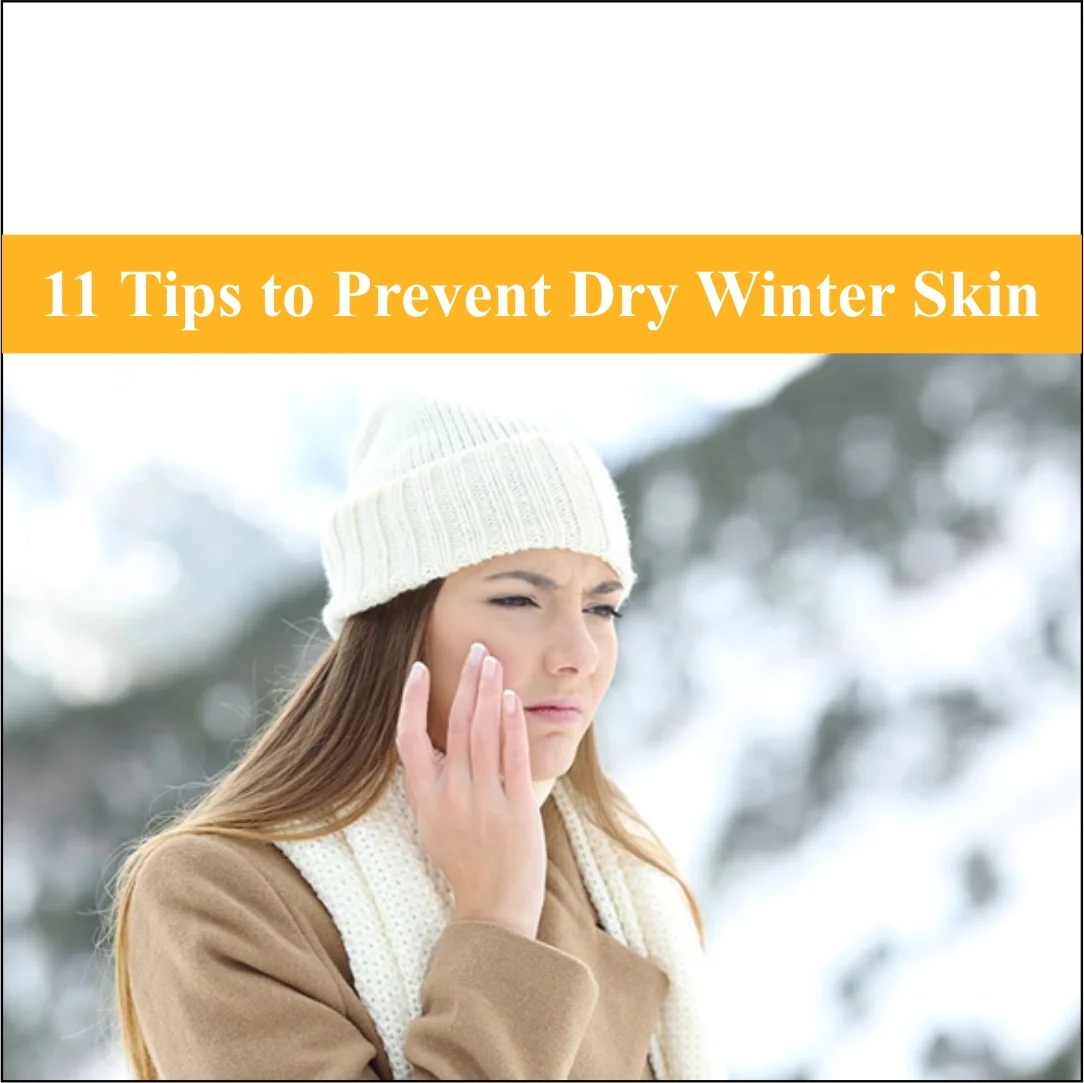
Cosy sweaters, warming beverages, and crisp air are all part of winter, but so is the unpleasant dry skin. Skin that has lost moisture during the winter months may feel itchy, tight, and flaky. Don’t panic, though; there are several easy methods to protect your skin from the bitter cold. You can maintain smooth, moisturized, and radiant skin throughout the season with the right skincare routine and a few lifestyle changes.
We at AAYNA are aware of the difficulties associated with winter skin. Being an elite skin care destination, we know the transformative power of appropriate treatment. Let’s explore these 11 tips to avoid dry winter skin and maintain the healthiest possible complexion with the best dermatologist in Delhi!
Let’s Explore 11 Tips to Prevent Dry Winter Skin
-
Hydrate From Inside Out
Maintaining proper hydration is the first line of defence for your skin. Even while it might be tempting to forgo water throughout the winter, your skin still needs internal hydration. Drinking adequate water keeps your skin looking young and helps maintain its moisture balance. Drink at least eight glasses of water each day, and think about including water-rich foods and beverages in your diet, such as oranges, cucumbers, and melons, as well as herbal teas.
By preventing dryness, which causes flaky, tight skin, this dehydration helps restore the moisture lost from the dry air. However, alcohol and caffeine can also cause dehydration. To keep your skin moisturized from the inside out, try to balance your love for hot coffee or winter cocktails with more water.
-
Use a Richer Moisturiser Instead
It’s time to replace your light moisturizer with a thicker, more nourishing one as the temperature decreases. Seek out products that have ceramides, shea butter, or hyaluronic acid. It is well known that these components help repair the natural barrier of your skin and seal in moisture. In the winter, cream-based moisturizers work better than lotions because they leave a thicker layer of moisture.
To seal in moisture, use your moisturizer as soon as possible after taking a shower or washing your face while your skin is still damp. You may even apply a thicker layer of moisturizer overnight for deep hydration. Your skin will feel smooth and nourished in the morning.
-
Take Lukewarm Shorter Showers
While long, hot showers might be soothing in the winter, they can also be harmful. Hot water can deplete the skin of its natural oils causing dryness. Shorten your time in the hot water and take lukewarm showers instead. To prevent excessive moisture loss, keep it under 10 minutes.
Instead of rubbing your skin dry after a shower, gently pat it dry with the towel. Then apply moisturizer right away to lock in the moisture.
If you enjoy taking baths, consider adding a few drops of natural oils like almond or coconut oil to the water to help restore moisture that is lost while soaking.
-
Use a Humidifier
Your skin may feel dry as a result of indoor heating systems drying up the air in your house. One excellent way to add moisture back into the air is using a humidifier. You can keep your skin from drying out too much by reintroducing moisture into your environment. Because they keep the skin hydrated throughout the night, humidifiers are especially beneficial as you sleep.
To keep your skin feeling moisturized and silky while you sleep, use a humidifier in your bedroom. especially at night. People with Eczema or sensitive skin would particularly benefit from this.
-
Gently exfoliate
Exfoliation is essential for keeping skin clean and radiant, but it’s crucial to use moderate methods in the winter. Harsh scrubs and exfoliants can aggravate dry skin and make it feel worse. Rather, pick a mild, moisturizing exfoliator that will eliminate dead skin cells without depleting your skin of moisture.
Exfoliating once or twice a week helps moisturizers function better by preventing the accumulation of dry, flaky spots. Choose exfoliators that include natural, skin-nourishing ingredients like honey, oats, or almond powder.
-
Wear Protective Clothes
Not only is layering important for warmth, but it’s also crucial for shielding your skin from cold and wind. Hats, gloves, and scarves may provide a barrier that protects your skin from the weather. To prevent chafing, choose silk or soft cotton instead of wool or synthetic fabrics that might irritate the skin.
Remember to look after your lips! In the winter, the skin on your lips is very sensitive and prone to cracking. To keep your lips hydrated and protected throughout the day, always have a nourishing lip balm with SPF on hand.
-
Avoid Using Alcohol-Containing Skin Products
Alcohol-containing products should be avoided during the winter months as your skin is already having a hard time staying hydrated. In addition to making your skin feel tight, alcohol-based toners and astringents also remove vital oils from your skin.
Instead, seek out calming, hydrating goods without alcohol. Choose cleansers and toners that contain glycerin, aloe vera, or rose water. These mild substances support the preservation of the moisture balance of your skin.
-
Use a Nourishing Face Mask
A nourishing face mask is the ideal way to treat your skin throughout the winter. In times of need, face masks may provide your skin with an additional boost of moisture and nutrients. Seek out masks that have moisturizing components that deeply moisturize the skin without irritating it, such as yoghurt, avocado, or honey.
Give yourself a luxurious mask once or twice a week to help seal in moisture and revitalize your skin. For greater effects, before using the mask, place a warm, moist towel on your face to open the pores.
-
Shield Your Skin From The Sun
UV radiation may still harm you and cause skin dryness, wrinkles, and even someone even if the winter Sun is not as strong. Just because it is cold outdoors doesn’t mean you should forget sunscreen. To protect your skin from damaging UV rays, use broad spectrum SPF 30 30 or higher sunscreen every morning.
Reapply sunscreen throughout the day if you intend to spend the most time outside. Use a moisturizer with built-in SPF, for an added layer of protection without the trouble of applying numerous products.
-
Use Hydrating Body Oil To Stay Warm
During winter months, your go-to moisturizer may not always be sufficient to keep your skin moisturised. Body oils are a great way to keep your skin hydrated and provide a barrier that protects it.
Select a light-textured, non-greasy oil that has hydrating and anti-inflammatory components like jojoba, marula or argan. To help lock in the moisture, massage body oil all over damp skin after the shower. Throughout the day, the oil will maintain the softness, smoothness, and protection of your skin.
-
Consult a Professional
It might be time to see a specialist if you’re dealing with severely dry skin or any other skin issues like eczema. Skin specialists can provide tailored advice and treatments to meet the particular requirements of your skin.
Professional treatment may make a big impact, whether you’re trying to enhance the general health of your skin or are coping with a skin disease. AAYNA’s team of professional dermatologists can help you with expert skin care advice or dry skin treatments this winter.
Conclusion – Accept Your Winter Radiance
Wintertime dry skin can be difficult, but it can be completely avoided with the correct skincare practices. You can maintain your skin’s softness and smoothness throughout the season by protecting, hydrating, and moisturizing it. Do not hesitate to consult experts if you want further assistance in managing your stubborn dry skin. No matter the season, you should always take the greatest care of your skin.
We at AAYNA are always here to help you in getting and preserving radiant, healthy skin. Come see us for a personalised consultation, if you’re ready to take your skincare routine to an advanced level. You can shield and restore your skin from the harsh winter months with the correct approach, giving you glowing skin all year round.
FAQs
-
Are body oils a suitable substitute for moisturizers?
If your skin feels really dry, body oils are a terrific way to provide more moisture. For optimal effects, it is advised to use them along with your usual moisturizer.
-
Which kind of moisturizer is ideal for the cold months?
Seek out thick, cream-based moisturizers with ceramides, shea butter, or hyaluronic acid as nourishing components. These components keep your skin hydrated and stop it from drying out.
-
Should I alter my winter skincare regimen?
Yes, make the move to richer, more moisturizing products in the winter. To shield your skin from the chilly, dry air, use thicker moisturizers, nourishing oils and mild exfoliants.
-
Can skin discomfort result from cold weather?
Psoriasis and eczema can worsen in cold temperatures because it irritates delicate skin. Irritation may be avoided by using protective gear and applying calming, moisturizing skincare products.
-
In winter, is sunscreen important?
Of course. Even on overcast days in the winter, UV radiation can still harm your skin. To shield your skin from damaging UV rays and avoid dryness, use sunscreen every day.