Touted as the most common skin issue globally, acne or Acne vulgaris, is often dismissed as a temporary, rites-of-passage annoyance reserved for teenagers. But, millions of people across the world are often left wondering about the condition, its onset and treatments.
The question, “What age is acne the worst?” is not a simple one, nor is it purely chronological. While science points to distinct peak periods, the answer truly depends on the severity, persistence, and resulting physical and psychological impact on the individual.
Dealing with acne breakouts and wondering what fuelled it and when you will be rid of it for food? Well, this AAYNA Clinic guide will walk you through all the details.
Why Does Acne Happens?
Before we get into understanding more about age-specific acne patterns, we first need to decode why it happens.
The basic medical explanation is that acne happens when the hair follicles on your skin get clogged with excess oil or sebum, dead skin cells and bacteria. This, in turn, causes inflammation and often infections, causing the acne breakouts.
Some of the leading factors contributing to the onset of acne are:
- Hormonal fluctuations
- Genetics
- Diet and lifestyle
- Cosmetic or skincare choices
- Environmental factors
Now that we’ve understood the root causes, let’s break down how acne manifests across different ages, from adolescence to adulthood.
Acne in Pre-Teens (Ages 9–12)
A lot of us have this misconception that acne only happens during the peak teenage years or when you are in your 20s. The truth is that acne can start surprisingly early, even before the teenage years. It is termed as “pre-adolescent” acne and happens between 9-12 years, during a period when the body starts producing more androgens.
Pre-teen acne usually appears as small whiteheads or blackheads on the forehead, nose, and chin (the T-zone). It’s often mild but can progress rapidly if ignored.
As a parent, here’s what you can do to manage such breakouts:
- Gentle cleansing with a mild, non-comedogenic face wash.
- Avoiding harsh scrubs or alcohol-based toners.
- Using oil-free moisturizers and sunscreen daily
If the acne breakouts are excessive during this stage, we recommend consulting our dermatologists at AAYNA Clinic for better guidance and management.
Teenage Acne (Ages 13–19)
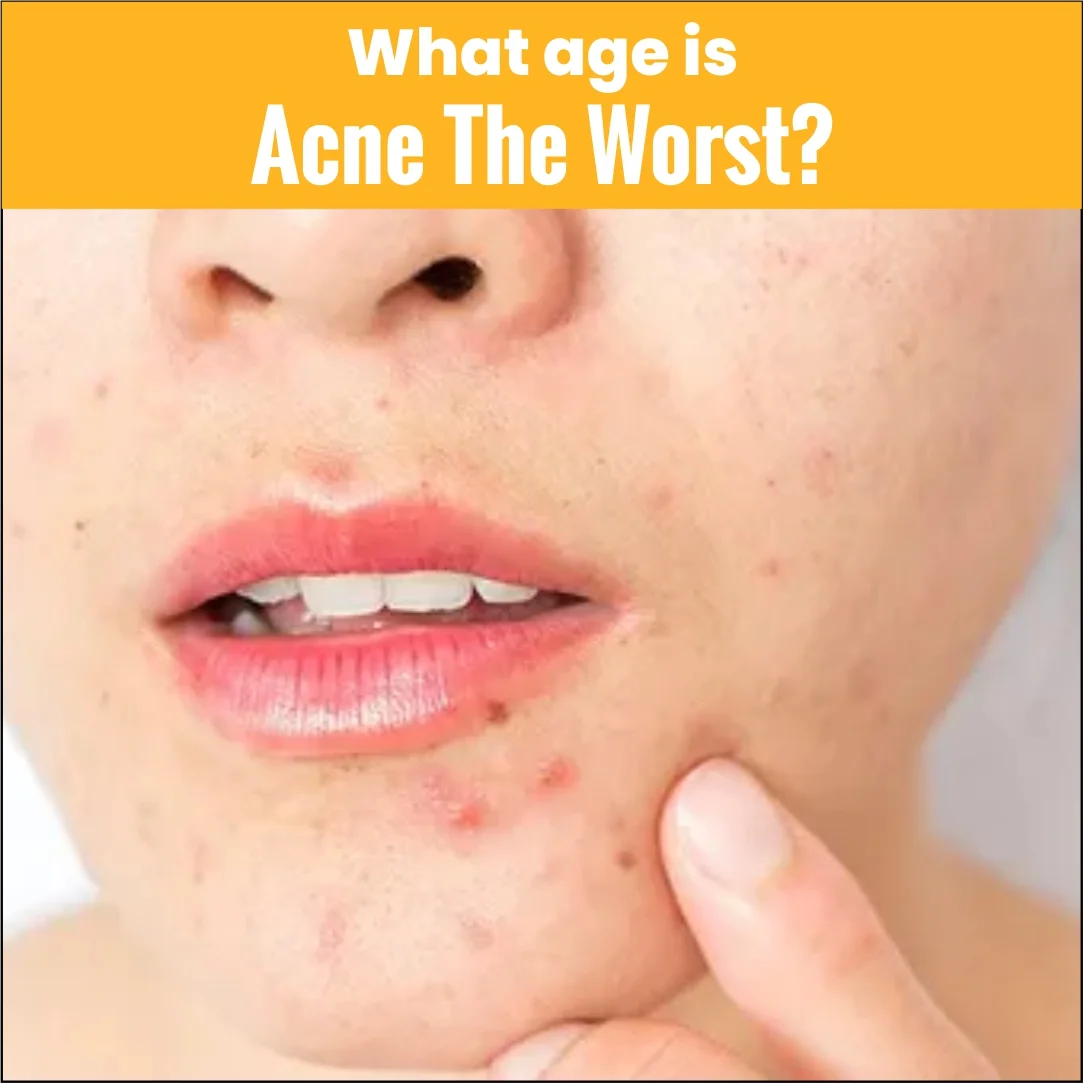
This is the period when acne is considered “the worst.” This happens between the ages of 15 and 18 years when the hormonal activity is at its highest and so is the oil production.
Some of the reasons why teenage acne peaks are:
- The surging hormones, especially testosterone (in both boys and girls), causes the oil glands to enlarge and produce more sebum.
- The combination of oil, dead cells, and Cutibacterium acnes bacteria further contributes to inflammation and pimples, primarily on the face.
- Numerous lifestyle triggers like irregular diet, lack of sleep, and heavy cosmetic use also makes teenage acne more persistent on the skin.
Teen acne is more persistent on the forehead, nose, cheeks, jawline and even on the back and shoulders. What’s alarming about teenage acne is that it often takes an emotional toll, impacting the teen’s confidence, social interactions and self-esteem. This explains why the timely treatment and intervention can be life changing.
At AAYNA Clinic, dermatologists take a holistic approach:
- Customised acne treatment plans using medical-grade topical and oral therapies.
- HydraFacial and chemical peels to control oil production and unclog pores.
- Guidance on skincare routines suited for young, sensitive skin.
- Dietary counseling to reduce acne triggers.
With the right guidance and early care, most teenagers can control acne effectively and prevent long-term scarring.
Acne in the Early 20s (Ages 20–25)
As you get out of your teenage years, the next phase of life, your 20s, also bring acne complications at large. It is true that most people expect acne to disappear after their high school years but for a large number, it doesn’t.
The reasons why acne persists in the early 20s include:
- Hormonal irregularities, which involve fluctuations caused by menstrual cycles, contraceptive changes, or stress.
- Lifestyle factors including poor sleep quality, poor nutrition and diet, irregular skincare routines, etc.
- Excess use of certain cosmetic products like foundation, moisturisers, sunscreens, which clog the pores, further aggravating the acne.
Acne in the early 20s may shift from the T-zone to the lower face, jawline, and neck, which are the prime areas on the face associated with hormonal changes.
At AAYNA Clinic, we specialise in tailored acne management, combining dermatological expertise with advanced aesthetic treatments. What you’d benefit from depends on the consultation and assessment you get with our dermatologists.
Adult Acne (Ages 26–40)
Tagged as the “unexpected return,” this is the phase where you’d least expect to be dealing with acne breakouts but it happens.
There are clinical studies that suggest that up to 40% of adults, particularly women, experience acne well into their 30s and 40s. This condition, known as adult-onset acne, can be especially frustrating. From poor skincare habits to pollution and urban lifestyle, there are numerous triggers at play.
Some of the common patterns of adult acne include:
- Inflamed cystic acne along the jawline and chin.
- Deep, painful nodules that heal slowly.
- Post-inflammatory hyperpigmentation that lingers long after acne clears.
Now, the question is, “How do you manage adult acne?” Adult skin requires a very different approach than teenage skin, which is why the treatment plans are usually personalised accordingly by our dermatologists at AAYNA Clinic.
With personalised guidance, adult acne can be controlled, and skin can regain its natural clarity and radiance.
Acne in the 40s and Beyond
Mature acne is less common but not obsolete. It can occur as persistent acne (continuing from younger years) or late-onset acne (appearing for the first time in the 40s or 50s). So, if you have a history of hormonal acne back when you were young, don’t be surprised if it makes a comeback sometime in the future.
One of the most unique challenges about dealing with mature acne during the 40s and beyond is the skin changes. At this age, the skin becomes thinner, drier, and more sensitive, making acne treatments quite trickier.
Here’s how our team at AAYNA Clinic approaches and treats mature acne:
- Prescription-grade topical retinoids and anti-inflammatory agents.
- Gentle chemical peels and non-ablative lasers to rejuvenate skin.
- Tailored skincare regimens that support collagen health while managing acne.
Our dermatologists also assess underlying health factors, ensuring that treatment is both safe and sustainable for mature skin.
Advanced Acne Treatments at AAYNA Clinic
AAYNA Clinic’s approach to acne management combines clinical dermatology with aesthetic innovation. This means that instead of treating your acne superficially, we focus on getting deeper into the root cause and treating it from there.
Some of our leading acne treatments at AAYNA Clinic include:
If you are dealing with acne scars, besides the above-mentioned treatments, we also offerAAYNA Renew,Fraxel andDerma Pen treatments to minimise the scarring and improve your skin’s texture.
Easy Steps to Prevent Acne Flareups Across All Ages
So, your skin has an affinity towards acne. How do you minimise the breakouts and prevent acne flareups?
While acne is influenced by genetics and hormones, several preventive measures can help minimize its occurrence:
- Follow a consistent and simple skincare routine as recommended by your dermatologist.
- Avoid over-cleansing your face because it will strip the natural oils, worsening your acne.
- Ensure that you are using sunscreen every day because it prevents risks of post-acne pigmentation.
- Manage your eating habits, lifestyle and even stress.
- If you have a habit of picking or squeezing your pimples, stop doing that because it increases the risks of scarring.
Our dermatologists at AAYNA Clinic help patients understand what triggers their acne and how to maintain healthy, balanced skin through education and ongoing support.
Acne Has an Age, But Clear Skin Has No Limit!
Acne is often at its worst during the teenage years, but for many, it can persist or reappear later in life. From hormonal shifts to stress and lifestyle factors, the triggers vary but the good news is, acne is highly treatable at any age with the right medical guidance.
Waiting for acne to “go away on its own” is a gamble that too often results in irreversible scarring. At AAYNA Clinic, our commitment is to provide a diagnostic and treatment pathway that respects the complexity of your skin and your life stage.
Book your consultation with AAYNA Clinic today and discover skin that looks as good as it feels.