
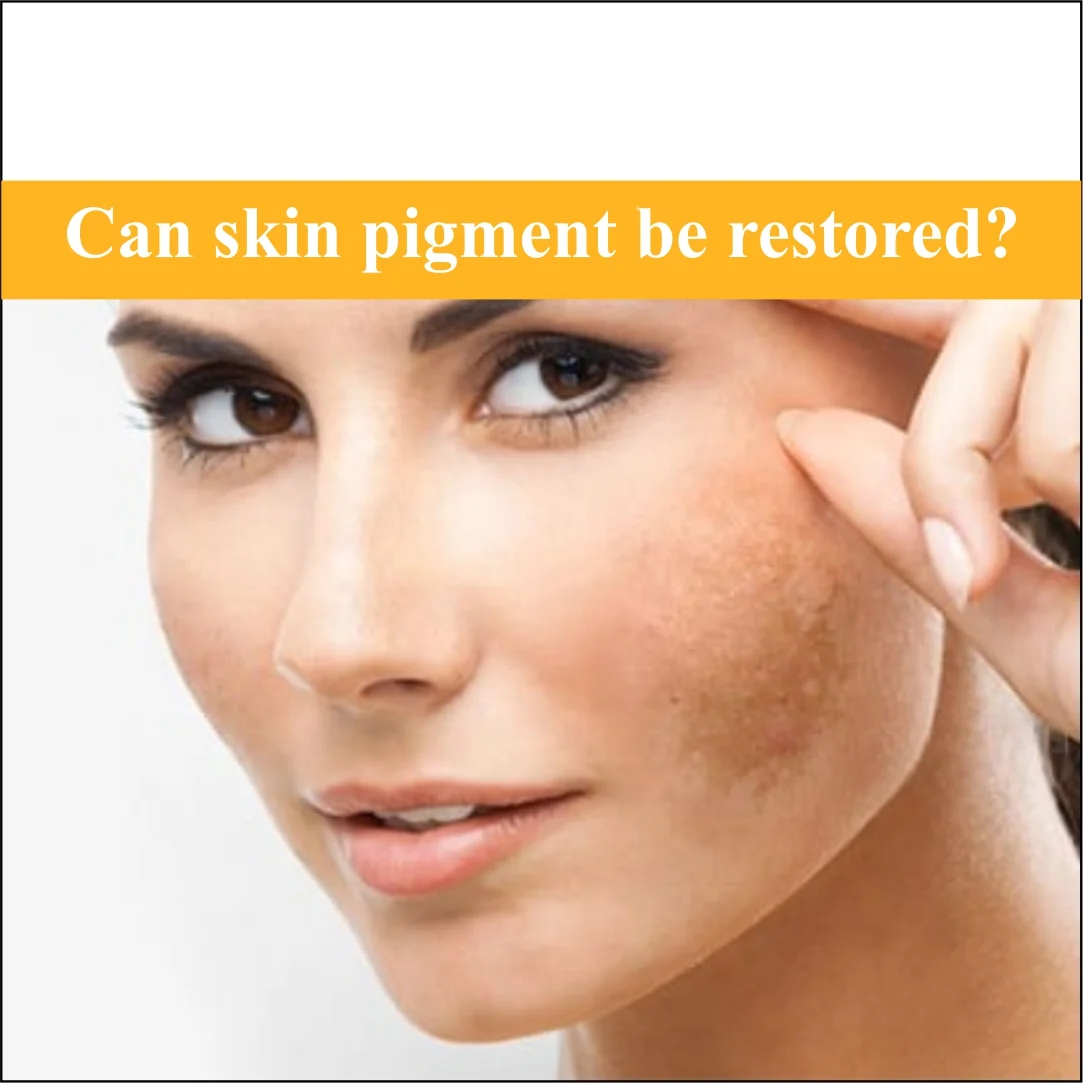
Have you ever questioned if the natural pigmentation of your skin can be restored? Skin pigmentation may alter over time as a result of vitiligo, age, genetics, or sun exposure, causing us to question what we can do about it. We at AAYNA are here to provide information on this exciting subject since we recognize how important having healthy, radiant skin is. The expert dermatologists at AAYNA are available to help if you’re searching for customized skincare procedures to manage pigmentation problems.
We’ll go over the specifics of skin pigmentation in this article, including what causes it to change and most importantly, if it can be restored. Let’s examine skin pigment restoration in more detail and see what options are available to restore your skin’s natural glow.
What Is Skin Pigmentation?
The word skin pigmentation describes your skin’s colour, which is mostly influenced by melanin. Melanocytes in the skin create the pigment known as melanin. Your skin, hair, and eyes are coloured by this pigment.
Pheomelanin (yellow or red) and eumelanin (brown or black) are two primary forms of melanin. Hormones, sun exposure, and genetics, among other things, are all that affect the quantity and type of melanin that is produced.
What Causes Changes In Skin Pigmentation?
Skin pigmentation changes are common and can happen for many reasons. Determining the reason for pigmentation changes is the first step in restoring them.
-
Exposure to Sunlight
A tan is the consequence of melanin being produced as a defensive mechanism after prolonged sun exposure. On the other hand, sunspots, age spots, and uneven pigmentation can result from too much sun exposure. If left untreated, this might eventually result in pigmentation abnormalities that could last a lifetime.
-
Changes in Hormones
Melanin production may be impacted by hormone replacement treatment, pregnancy, or birth control pills. For this reason, many women who are pregnant or undergoing hormone therapy develop hyperpigmentation, especially melasma.
-
Skin Disorders
Pigment loss can result from vitiligo and other skin diseases. A lack of melanin synthesis in vitiligo causes areas of skin to become lighter in colour. However, following an injury or inflammation, conditions like post-inflammatory hyperpigmentation can cause dark spots and patches.
-
Ageing
Age spots and uneven skin tone might result from your skin’s decreased capacity to create melanin as you age. Additionally, the skin may thin, which would highlight pigmentation alterations.
-
Genetics
Freckles, birthmarks, and other pigmentation anomalies are disorders that certain people are genetically prone to. In certain situations, some treatment options could be needed to restore skin pigment.
Is It Possible To Restore Skin Pigment?
The crucial question now is – can skin pigment be restored? Yes, in a nutshell, although it depends on what caused the pigmentation loss. Let’s dissect this in more detail.
-
Restoring Pigment in Vitiligo
Sometimes, with the correct therapies, vitiligo sufferers can regain their skin’s pigmentation. Although there isn’t a cure for it, topical steroids, phototherapy, and even more sophisticated methods like melanocyte transplant have been shown to help repigment the skin. Results can be enhanced by a mix of strategies, such as an integrated treatment plan developed by an AAYNA specialist.
-
Handling Post-Inflammatory Hyperpigmentation
When the skin becomes darker following an accident, acne, or other forms of inflammation, it is known as post-inflammatory hyperpigmentation (PIH). Thankfully, this kind of pigmentation frequently goes away with time, particularly with the use of procedures like topical lightening agents, laser therapy, and chemical peels. At AAYNA, we provide tailored treatments to help balance out skin tone and accelerate recovery.
-
Melasma and Hyperpigmentation
The method of therapy for hormonal pigmentation or melasma might differ. Topical treatments like vitamin C, hydroquinone, or retinoids may help some people, while more sophisticated procedures like chemical peels or laser treatment may help others. At AAYNA, we provide treatments that are suitable for your skin type and pigmentation problems, ensuring a personalized strategy for the best outcomes.
-
Age-Related Pigmentation
Changes in pigmentation are a normal part of ageing. Treatments including skin resurfacing, microdermabrasion, and laser treatments can help reduce the appearance of age spots and create a more even skin tone, even if these changes might not be completely reversible. The finest ways to address age-related pigmentation can be explained by our staff at AAYNA.
-
Treatments for Restoring Skin Pigment
Which treatments are the most successful now that we know that skin pigment can be restored? Let’s examine some of the more beneficial therapy choices in more detail.
Topical Interventions
- Hydroquinone: This well-liked therapy for hyperpigmentation evens up skin tone and lightens dark spots.
- Vitamin C: Well-known for its ability to brighten skin, vitamin C also helps to lessen dark spots and shields the skin from more harm with its antioxidant qualities.
- Retinoids: These promote skin turnover, which hastens the elimination of dark spots brought on by acne or sun exposure.
- AHAs (Alpha Hydroxy Acids): These help in skin exfoliation, encouraging cell turnover and gradually lessening the visibility of pigmentation.
Chemical Peels
With chemical peels, the skin is exfoliated and the upper layer is removed using acids, exposing new, even-toned skin beneath. This can work especially well for pigmentation brought on by ageing, acne, or sun damage. Depending on the demands of your skin, chemical peels can range in severity from moderate to deep.
As it encourages the skin to shed its damaged outer layer and regenerate new, even-toned skin, a series of treatments may be needed for the best results. Since the skin may become more sensitive after the treatment, it is crucial to avoid sun exposure as a part of aftercare.
Laser Treatment
By targeting and dissolving pigmentation, lasers like fractional CO2 and Q-switched lasers enable the body to get rid of dark spots. For stubborn pigmentation spots, this might be a terrific solution, but it needs to be properly cared for. Without causing harm to the surrounding tissue, laser treatments address pigmentation by penetrating deeper layers of the skin.
Several sessions can be necessary to produce apparent effects, depending on how severe the pigmentation is. Following the recommended skincare regimen after treatment is essential to protecting the freshly treated skin and preventing the recurrence of hyperpigmentation.
Microdermabrasion
By utilizing small crystals to gently exfoliate the skin’s outer layer, microdermabrasion helps to balance out skin tone and improve the look of hyperpigmentation. By eliminating dead skin cells, this treatment promotes smoother, younger-looking skin and is perfect for minor pigmentation problems.
Compared to laser treatments or chemical peels, microdermabrasion is less intrusive and requires little to no recovery time. It is ideal for people seeking a progressive, non-invasive method to correct pigmentation and enhance skin texture because it may be done frequently and improvements usually show up over time.
Diet and Lifestyle Factors in Pigment Restoration
Skin pigment restoration is greatly aided by treatments, but lifestyle choices like sun protection and food are as crucial.
- An SPF 30 sunscreen should be used every day since UV rays can worsen pigmentation problems. Stay out of the sun and wear protective clothes when outside.
- Maintaining a healthy skin tone and encouraging cell renewal with sufficient hydration might help lessen pigmentation problems.
- An antioxidant-, vitamin-, and mineral-rich diet—particularly one high in vitamin C—can help maintain healthy skin. Nuts, fruits, and vegetables can help your skin acquire the nourishment it needs to heal itself.
Takeaway
It may require time and work to restore skin color, but with the correct method, it is completely achievable. Age-related pigmentation, vitiligo, and UV damage can all be resolved by combining topical treatments, lifestyle modifications, and cutting-edge surgeries to restore your skin to its original form. Our team of professionals at AAYNA is prepared to collaborate with you to develop a customized treatment plan that takes into account your particular skin issues.
Do not hesitate to contact us if you need expert assistance in restoring the pigmentation of your skin. The physicians at AAYNA provide cutting-edge treatments customized to your skin type and requirements, guaranteeing a successful path to glowing, healthy skin.
FAQs
-
Is it possible to restore skin pigment using natural remedies?
Although aloe vera, turmeric, and lemon juice are common natural therapies, their ability to restore skin pigmentation is limited. They can brighten a little, but for noticeable effects, more sophisticated treatments could be required.
-
How long does it take for pigmentation treatments to start showing results?
The duration depends on the type of treatment. While microdermabrasion can take longer and require repeated sessions to show noticeable changes, chemical peels or laser treatment may show effects in as little as 4 to 6 weeks.
-
Does the effectiveness of pigmentation treatment depend on skin type?
Indeed, darker skin tones may react differently to chemical peels or lasers. To find the ideal treatment plant for your skin type you should speak to an AAYNA specialist.
-
Is it safe to use sunscreen after pigmentation treatment?
Of course! After any pigmentation treatment, sunscreen is essential because the skin will be more susceptible to Sun damage. Using sunscreen regularly helps stop more pigmentation problems.
-
Is it possible to avoid hyperpigmentation in future?
Yes, hyperpigmentation may be avoided or reduced overtime with regular sun protection, good skin care and avoiding triggers like acne or skin irritation