
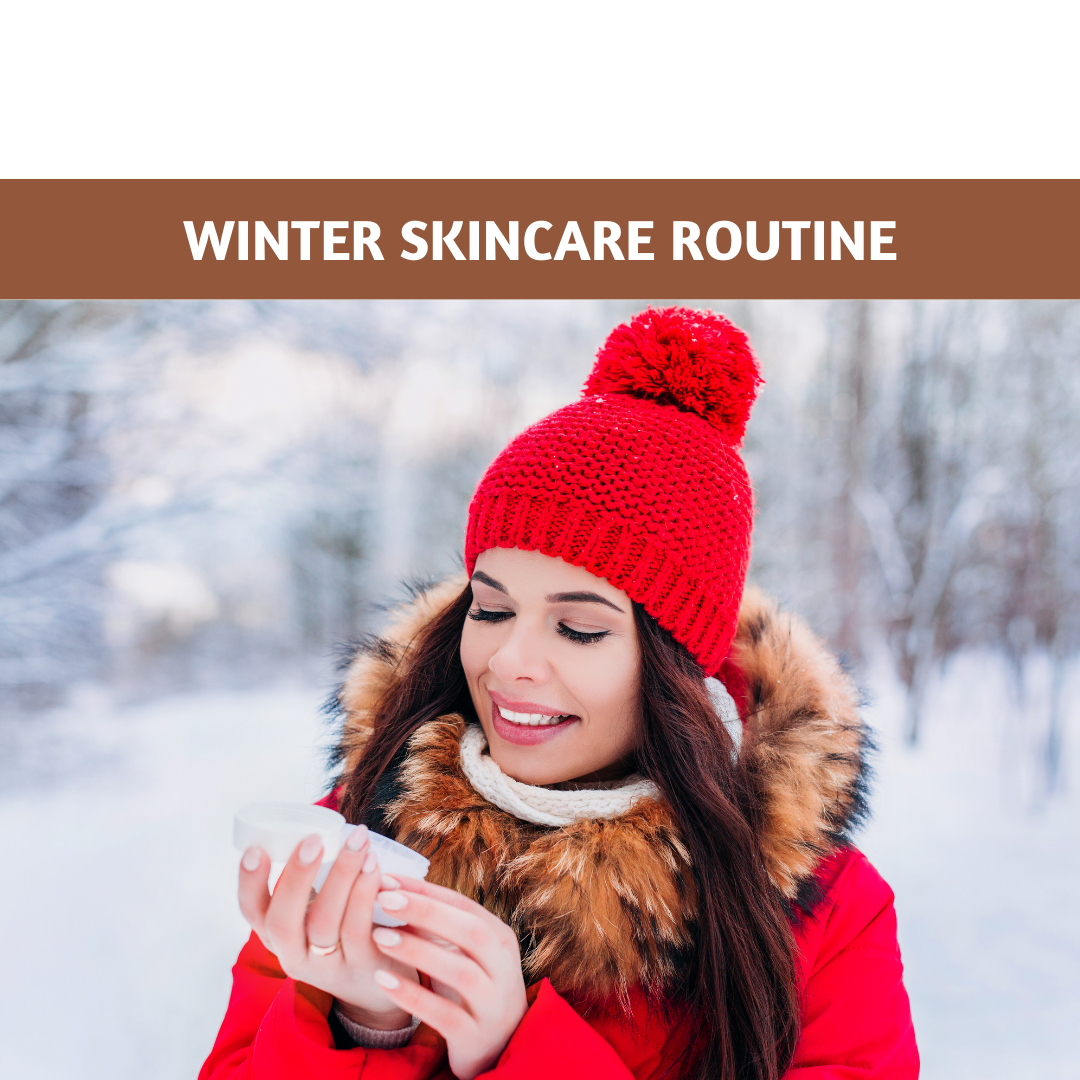
As the weather turns colder and the air becomes drier, our skin can really start to suffer. The winter months can be tough on our complexions, leaving them dull, flaky, and irritated. But with the right winter skincare routine, you can keep your skin glowing and healthy all season long.
In this blog post, we’ll dive into the essential steps and products you need for a winter skincare routine tailored to different skin types. We’ll also cover some lifestyle tips to support your skin from the inside out.
By the end, you’ll have all the knowledge you need to face the winter with a radiant, hydrated complexion. Let’s get started!
Winter Skincare for Dry Skin
If you have dry skin, winter can be especially brutal. The cold, dry air strips moisture from the skin, leaving it feeling tight, flaky, and uncomfortable.
To combat dryness, focus on deeply nourishing and replenishing your skin:
- Use a creamy, hydrating cleanser instead of foaming formulas that can strip the skin.
- Apply a rich, creamy moisturizer immediately after cleansing to lock in hydration.
- Incorporate a facial oil or serum with nourishing ingredients like ceramides, hyaluronic acid, and plant-based oils.
- Don’t forget the eye area – use a moisturizing eye cream to prevent dryness and crepiness.
- Exfoliate 1-2 times per week to slough off dry, flaky skin.
Winter Skincare for Oily/Acne-Prone Skin
If you have oily or acne-prone skin, the winter months can still pose some challenges. While you may not experience as much dryness, the skin can become imbalanced and more prone to breakouts.
Here are some tips for your winter skincare routine:
- Use a gentle, non-drying cleanser to remove excess oil and impurities without stripping the skin.
- Opt for a lightweight, oil-free moisturizer that won’t clog pores.
- Incorporate a serum with salicylic acid or other BHA to keep pores clear.
- Use a clay mask 1-2 times per week to deeply cleanse and absorb oil.
- Be mindful of over-exfoliating, as this can disrupt the skin’s barrier.
Winter Skincare for Sensitive Skin
Sensitive skin types need to be extra cautious during the winter, as the harsh conditions can easily trigger redness, irritation, and inflammation.
Follow these tips for a soothing, nourishing winter skincare routine:
- Choose gentle, fragrance-free cleansers, moisturizers, and other products.
- Incorporate calming ingredients like centella, cica, and ceramides.
- Avoid mechanical exfoliation and opt for gentle chemical exfoliants instead.
- Use a hydrating facial oil or serum to strengthen the skin’s barrier.
- Be diligent about wearing SPF, as the winter sun can still damage sensitive skin.
For a personalized skincare routine, consult world-renowned professionals at AAYNA Clinic! Book an appointment now.
The Role of Diet and Lifestyle
While your winter skincare routine is crucial, don’t forget that what you put into your body also affects your skin’s health and appearance.
Here are some lifestyle tips to support your winter skincare regimen:
- Stay hydrated by drinking plenty of water.
- Eat a diet rich in antioxidants, healthy fats, and vitamins to nourish skin from within.
- Manage stress levels, as high cortisol can exacerbate skin issues.
- Get enough sleep to allow your skin to regenerate and repair.
- Protect your skin from the elements with hats, scarves, and gloves when going outside.
By following a customized winter skincare routine and supporting it with a healthy lifestyle, you can keep your skin glowing and radiant all season long.
Remember, the key is to focus on hydration, nourishment, and protection to combat the harsh winter elements.
With a little TLC, you’ll be well on your way to your most beautiful, healthy skin yet.
FAQs
Q: How often should I exfoliate in the winter?
A: Exfoliate 1-2 times per week during the winter to slough off dry, flaky skin and keep pores clear without disrupting the skin’s protective barrier.
Q: Can I still use retinol in the winter?
A: Yes, you can continue using retinol in the winter, but start with lower concentrations and gradually increase usage to avoid excessive dryness and irritation.
Q: What are the best humidifier settings for winter skin?
A: Aim for a humidity level between 30-50% to counteract the drying effects of winter heating and keep skin properly hydrated.
Q: How can I tell if my skin barrier is damaged?
A: Signs of a damaged skin barrier include increased sensitivity, redness, tightness, flakiness, and difficulty retaining moisture.
Q: Should I switch to a heavier moisturizer in the winter?
A: If your usual moisturizer isn’t providing enough hydration, consider switching to a richer, more occlusive formula to seal in moisture during the colder, drier months.